
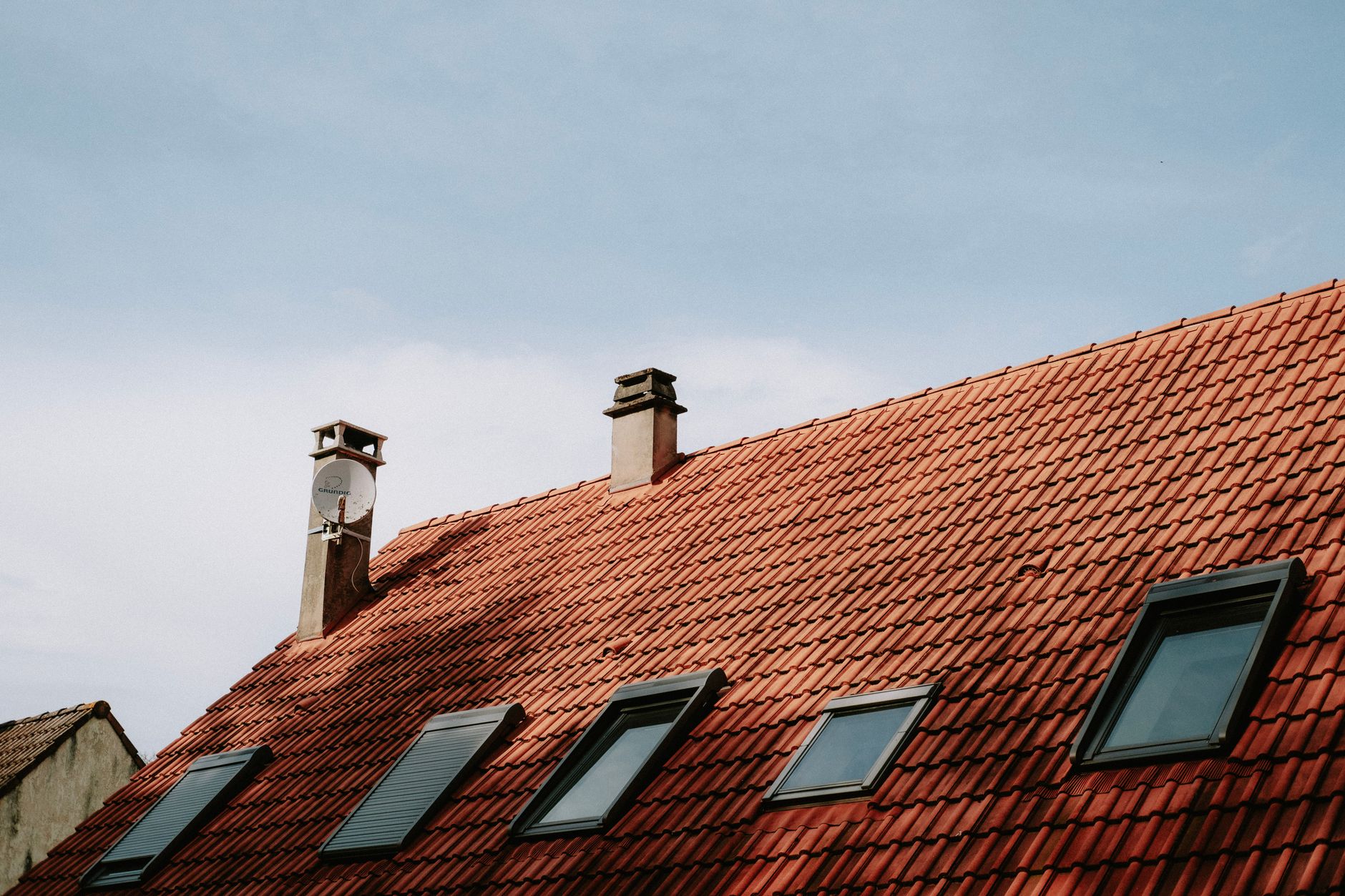
Fireplace Inspection in Hawthorne at Eye Level
Planning to Sell?
Share the address and your listing timeline. We call back about fireplace inspection and whether a scan should come first.
What the Seller Gets
Buyers stand in front of the fireplace at every showing. This inspection covers what they see from the room: the firebrick and its joints, how the damper moves, the smoke chamber as far as a light reaches, the hearth extension and the distance from the opening to the mantel and trim. If anything points higher up the flue, we tell you a Level 2 is the next step and why.
What a Buyer Sees When They Kneel at the Hearth
At an open house, nobody climbs on the roof. People walk into the living room, open the glass doors on the fireplace, pull the damper handle and look up. Then they look at the hearth for cracks and at the surround for chips or loose tile. That short ritual decides what most buyers think of the fireplace, and their inspector repeats it later with a flashlight. A fireplace inspection from us covers that same ground in more detail. We check each firebrick and joint in the box, the back wall where heat hits hardest, the damper plate and its frame, the throat above the damper as high as our light will show, the hearth in front, and the surround and mantel. Then we put it in writing so you know before the first showing what anyone kneeling there will notice. In Hawthorne homes from the middle of the last century, the usual findings are cracked firebrick, a sticky damper and a hearth with an old crack.
The difference between this and a chimney inspection is reach. A fireplace inspection stays at room level and tells you about the parts people handle; it does not go on the roof or look up the full flue. For an owner who uses the fireplace regularly and wants to know if the firebox is sound, that is often enough. For a house going to market, it is a useful first look, but it does not answer what a buyer's inspector will ask about the inside of the chimney. If you are selling, the Level 2 covers everything a fireplace inspection does plus the flue, the attic and the roof, at $390. We will tell you honestly which suits your situation before booking, and if the room level check turns up signs that the flue needs a camera, we explain why in the write up.
Small Findings, Clear Choices
Most of what a fireplace inspection finds is small and cheap to deal with, which is why it pays to know early. A firebrick with a hairline crack is normal wear; one that has split and moved is a repair. A damper that is stiff can often be freed and lubricated on the same visit; one with a rusted out plate needs replacing or a cable-worked damper up at the roof end of the flue. Loose surround tile can be reset; a crack running across the hearth may be cosmetic or may point at settling below, and we say which. Glass doors with a broken latch or a missing panel are a small fix that buyers notice more than they should. The write up lists each one with whether a buyer is likely to raise it, so the things you fix this week are the ones that actually change how the fireplace reads at a showing.
Some findings change the plan. Scorch marks on the mantel or the wall above the opening, or a smell of smoke in the room after a fire, suggest the fireplace is not drawing well or sits too close to wood, and those are worth sorting out before a buyer's inspector writes them up as a fire risk. Cracks that run from the firebox up into the face of the fireplace can point at movement in the chimney itself. When we see signs like that, the report says what we saw and what the next step would be, usually a camera look at the flue. We do not pad the list. If the fireplace is in good shape for its age, the report says that in plain words, and a plain statement like that is often what an agent wants to hand a buyer who asks.
How Hennessy Handles It
Photographed First
Every finding recorded where it sits before work
Sorted for the Sale
Each item marked fix, credit or disclose
Priced in Writing
Every repair carries its own written price
Paper for Escrow
Photos and invoices sent to whoever you name
Fireplace Inspection by city
Pick a city to see how housing age, roofs and coastal air shape this service there.
CA
Fireplace Inspection in Hawthorne
Only 27% of homes here are detached houses, so a seller with one is selling something scarce. The brick or block stack on a post-war house, often refitted with gas logs, gets a Level 2 look and a written report before the listing date.
Open the city pageCA
Fireplace Inspection in Manhattan Beach
A house enlarged or rebuilt around an older chimney leaves a buyer wondering where old work meets new. With 66% of homes detached and 65% owner-occupied, we trace the flue, firebox and remodel seams in a report the seller can hand to escrow.
Open the city pageCA
Fireplace Inspection in Hermosa Beach
Before 1950 came 21% of the homes in town. Their site-built brick stacks shed mortar with age and can crack when the ground shakes, so a seller starts with a Level 2 inspection, then picks: repair the stack now, or disclose it.
Open the city pageCA
Fireplace Inspection in Compton
Here 30% of homes predate 1950 and 77% predate 1980. On a bungalow headed to market, we put the brick, the flue and any old patching into one report, so the seller knows what to fix this week and what can wait.
Open the city pageCA
Fireplace Inspection in Carson
Most Carson households own their homes, 74%, and the tract houses they sell carry brick or block chimneys from the 1950s and 1960s. Before photos, we test the gas log setup, look over the masonry, and write up what a buyer's inspector will see.
Open the city pageSellers Also Book
Chimney Sweep
Soot and creosote cleared ahead of listing photos and the buyer's walkthrough, with a dated note on what came out of the flue.
Open detailsChimney Inspection
Level 1 or Level 2, picked by where you are in the sale, with photos and a plain list a buyer's agent can follow.
Open detailsChimney Repair
Fixes ranked by what a buyer's inspector will write up first, each one priced in writing before any work begins.
Open detailsFireplace Repair
Cracked firebrick, open joints, a sticking damper or loose hearth tile set right so the fireplace holds up to a buyer's check.
Open detailsChimney Level 2 Inspection
The video scan a buyer's side usually asks for, done before you list so the findings arrive on your timeline, not theirs.
Open detailsChimney Cap Installation
A missing or rusted cap is one of the plainer lines to clear off a buyer's report. Installed caps here are quoted after we measure. Cap size, metal and flue count shape the price.
Open detailsChimney Flashing Repair
Rusted or lifted metal where the chimney meets the roof replaced ahead of the buyer's roof inspection.
Open detailsChimney Masonry Repair
Loose brick, open joints and spalled faces repaired with mortar suited to the house, so the stack reads sound from the curb.
Open detailsChimney Rebuilds
When repair will not hold, the damaged part of the stack is rebuilt under permit and the paperwork goes into your escrow file.
Open detailsFireplace Cleaning
Soot, smoke marks and old ash cleared from the firebox and face so the fireplace looks cared for at the first showing.
Open detailsGas Fireplace Cleaning
Dusty burners, sooty logs and cloudy glass cleaned on a gas unit, then a flame check and a carbon monoxide reading.
Open detailsGas Fireplace Repair
A pilot that drops out or a wall switch that does nothing, traced with a meter so only the failed part gets replaced.
Open detailsFireplace Remodel
A dated or damaged fireplace face rebuilt for the listing, with the firebox and clearances checked before finishes are chosen.
Open detailsFireplace Inserts
A sealed insert with its own liner, for sellers whose open fireplace sits on a flue a buyer's inspector would flag.
Open detailsPellet Stove Repair
A pellet stove that quits or will not start, traced to the failed part and repaired before a buyer tries it.
Open detailsWood Stove Repair
Worn door gaskets, a sagging baffle or cracked firebrick replaced so the wood stove seals and burns cleanly for the next owner.
Open detailsGas Logs
Wood fireplace converted to gas logs before listing, once the flue checks out, so buyers see a working fire at showings.
Open detailsChimney Seismic Retrofit
Bracing or a lighter top section for a brick stack that would worry a buyer in earthquake country, scoped and priced in writing.
Open detailsChimney Crown Repair
A cracked crown sealed or recast before a roof inspector photographs it, with the cap refitted afterward.
Open detailsDryer Vent Cleaning
Lint cleared from the dryer duct to the outside hood, a small item buyers' inspectors often note in the laundry.
Open detailsChimney Liner Installation
A stainless liner run through a cracked flue so the chimney clears a buyer's Level 2 without a tile rebuild.
Open detailsChimney Leak Repair
Water stains beside the fireplace traced to their source and fixed before a buyer asks. Leak repairs run $560 to $3,350.
Open detailsChimney Waterproofing
A breathable water repellent on repaired brick, so the stack keeps drying out between winter storms.
Open detailsChimney Damper Repair
A damper that sticks, rattles or will not seal repaired or replaced, a common fireplace note on a buyer's report.
Open detailsChimney Chase Cover
A rusted or pooling metal top on a framed chimney replaced with a pitched stainless cover made to measure.
Open details