
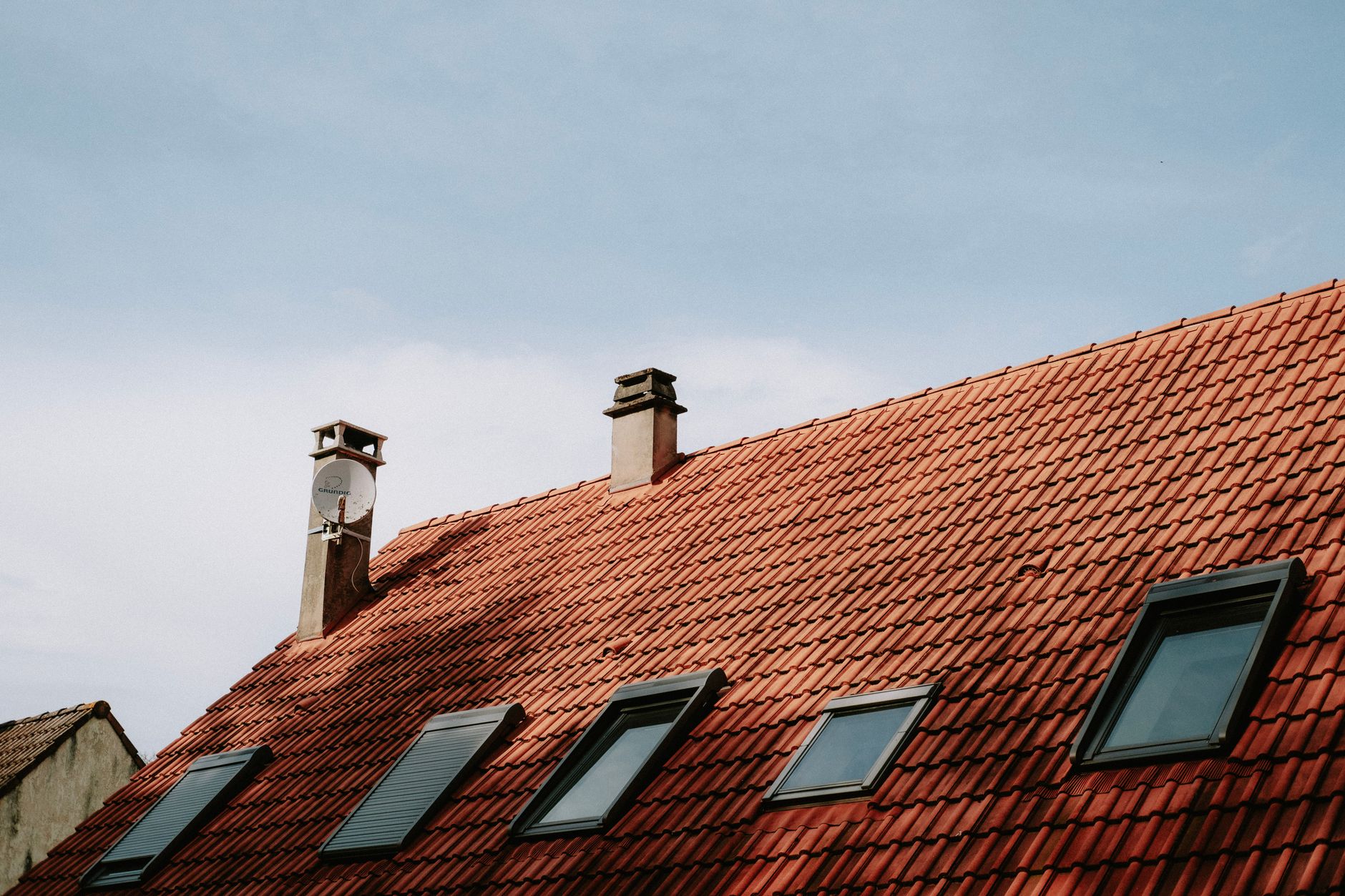
Chimney Waterproofing for Hawthorne Homes
Planning to Sell?
Share the address and your listing timeline. We call back about chimney waterproofing and whether a scan should come first.
What the Seller Gets
Brick soaks up rain, and repeated soaking breaks down joints and faces over time. A vapor-permeable repellent cuts how much water gets in while still letting the brick dry. We apply it only after open joints and a cracked crown are repaired, because sealing over damage hides it from a buyer's inspector and does not stop the leak. Pricing follows a look at the brick.
Where Waterproofing Fits in a Seller's Plan
Brick and mortar take in water every time it rains, then dry out over the following days. That cycle is normal, but year after year it loosens joints, flakes the faces of bricks and leaves white salt stains on the outside of the chimney. Near the coast in Manhattan Beach and Hermosa Beach, salt in the air speeds that up. A water repellent made for masonry slows the cycle: it soaks into the surface and keeps rain from going deep into the brick, while still letting moisture inside the chimney escape as vapor. For a seller, it is a finishing step rather than a fix. It does not seal a cracked crown, close an open joint or stop a leak at the flashing, and putting it on before those are repaired just hides the problem for a season. We only recommend it once the chimney is sound, and the quote says so.
The common pattern on Hawthorne houses headed for market is a short list of chimney repairs, such as a crown sealed, a few joints repointed and new flashing, followed by a repellent once the mortar has cured. That last step helps the repairs last and keeps the chimney looking clean for the first few seasons in the new owner's hands, which a buyer's inspector notices. Paint, clear plastic sealers and other coatings that trap water in the brick are the wrong product for a chimney, and if one has been used in the past we tell you, because trapped water can spall the brick from behind. Our repellent leaves the brick looking the same as before, without a shine or a color change. Buyers will not notice the product itself, only that the chimney looks clean and dry. That is all it needs to do for a sale.
How It Is Priced and When It Can Go On
Waterproofing is priced in writing by how much brick stands above the roof and how sound it is, once we have been up to look. On many homes it is an add on line in a larger repair quote, which keeps the cost down because the roof trip is already happening. The brick needs to be dry and the weather settled for a day or two before and after application, so it suits the dry months. If the chimney needs repairs first, the quote lists them ahead of the repellent and explains why the order matters. A repellent over open joints would trap water behind it, so the joints and crown always come first. We also check that the cap and flashing are sound, since water entering at the top or the roofline will reach the brick whatever is on its face. On a house listing soon, the repellent is often the last line we do, once everything else is dry.
For sellers on a timeline, waterproofing is usually a nice to have rather than a must. If the listing date is close, we may suggest fixing the items a buyer's inspector will flag now and leaving the repellent as a line on the quote for the next owner. If there is time, adding it makes the repaired chimney look good and stay that way. Either way, the note we leave lists the product type and date, which is useful in the disclosure packet if a buyer asks what has been done to the brick. We do not apply repellent to brick that is already failing, and we tell you if yours is in that state. In that case the money is better spent on the masonry itself, and we point you to the repairs that come first.
How Hennessy Handles It
Photographed First
Every finding recorded where it sits before work
Sorted for the Sale
Each item marked fix, credit or disclose
Priced in Writing
Every repair carries its own written price
Paper for Escrow
Photos and invoices sent to whoever you name
Chimney Waterproofing by city
Pick a city to see how housing age, roofs and coastal air shape this service there.
No city by that name here. Try the one next door.
Sellers Also Book
Chimney Sweep
Soot and creosote cleared ahead of listing photos and the buyer's walkthrough, with a dated note on what came out of the flue.
Open detailsChimney Inspection
Level 1 or Level 2, picked by where you are in the sale, with photos and a plain list a buyer's agent can follow.
Open detailsChimney Repair
Fixes ranked by what a buyer's inspector will write up first, each one priced in writing before any work begins.
Open detailsFireplace Inspection
A room-side check of firebrick, damper, hearth and mantel clearance, the parts a buyer notices during a showing.
Open detailsFireplace Repair
Cracked firebrick, open joints, a sticking damper or loose hearth tile set right so the fireplace holds up to a buyer's check.
Open detailsChimney Level 2 Inspection
The video scan a buyer's side usually asks for, done before you list so the findings arrive on your timeline, not theirs.
Open detailsChimney Cap Installation
A missing or rusted cap is one of the plainer lines to clear off a buyer's report. Installed caps here are quoted after we measure. Cap size, metal and flue count shape the price.
Open detailsChimney Flashing Repair
Rusted or lifted metal where the chimney meets the roof replaced ahead of the buyer's roof inspection.
Open detailsChimney Masonry Repair
Loose brick, open joints and spalled faces repaired with mortar suited to the house, so the stack reads sound from the curb.
Open detailsChimney Rebuilds
When repair will not hold, the damaged part of the stack is rebuilt under permit and the paperwork goes into your escrow file.
Open detailsFireplace Cleaning
Soot, smoke marks and old ash cleared from the firebox and face so the fireplace looks cared for at the first showing.
Open detailsGas Fireplace Cleaning
Dusty burners, sooty logs and cloudy glass cleaned on a gas unit, then a flame check and a carbon monoxide reading.
Open detailsGas Fireplace Repair
A pilot that drops out or a wall switch that does nothing, traced with a meter so only the failed part gets replaced.
Open detailsFireplace Remodel
A dated or damaged fireplace face rebuilt for the listing, with the firebox and clearances checked before finishes are chosen.
Open detailsFireplace Inserts
A sealed insert with its own liner, for sellers whose open fireplace sits on a flue a buyer's inspector would flag.
Open detailsPellet Stove Repair
A pellet stove that quits or will not start, traced to the failed part and repaired before a buyer tries it.
Open detailsWood Stove Repair
Worn door gaskets, a sagging baffle or cracked firebrick replaced so the wood stove seals and burns cleanly for the next owner.
Open detailsGas Logs
Wood fireplace converted to gas logs before listing, once the flue checks out, so buyers see a working fire at showings.
Open detailsChimney Seismic Retrofit
Bracing or a lighter top section for a brick stack that would worry a buyer in earthquake country, scoped and priced in writing.
Open detailsChimney Crown Repair
A cracked crown sealed or recast before a roof inspector photographs it, with the cap refitted afterward.
Open detailsDryer Vent Cleaning
Lint cleared from the dryer duct to the outside hood, a small item buyers' inspectors often note in the laundry.
Open detailsChimney Liner Installation
A stainless liner run through a cracked flue so the chimney clears a buyer's Level 2 without a tile rebuild.
Open detailsChimney Leak Repair
Water stains beside the fireplace traced to their source and fixed before a buyer asks. Leak repairs run $560 to $3,350.
Open detailsChimney Damper Repair
A damper that sticks, rattles or will not seal repaired or replaced, a common fireplace note on a buyer's report.
Open detailsChimney Chase Cover
A rusted or pooling metal top on a framed chimney replaced with a pitched stainless cover made to measure.
Open details