
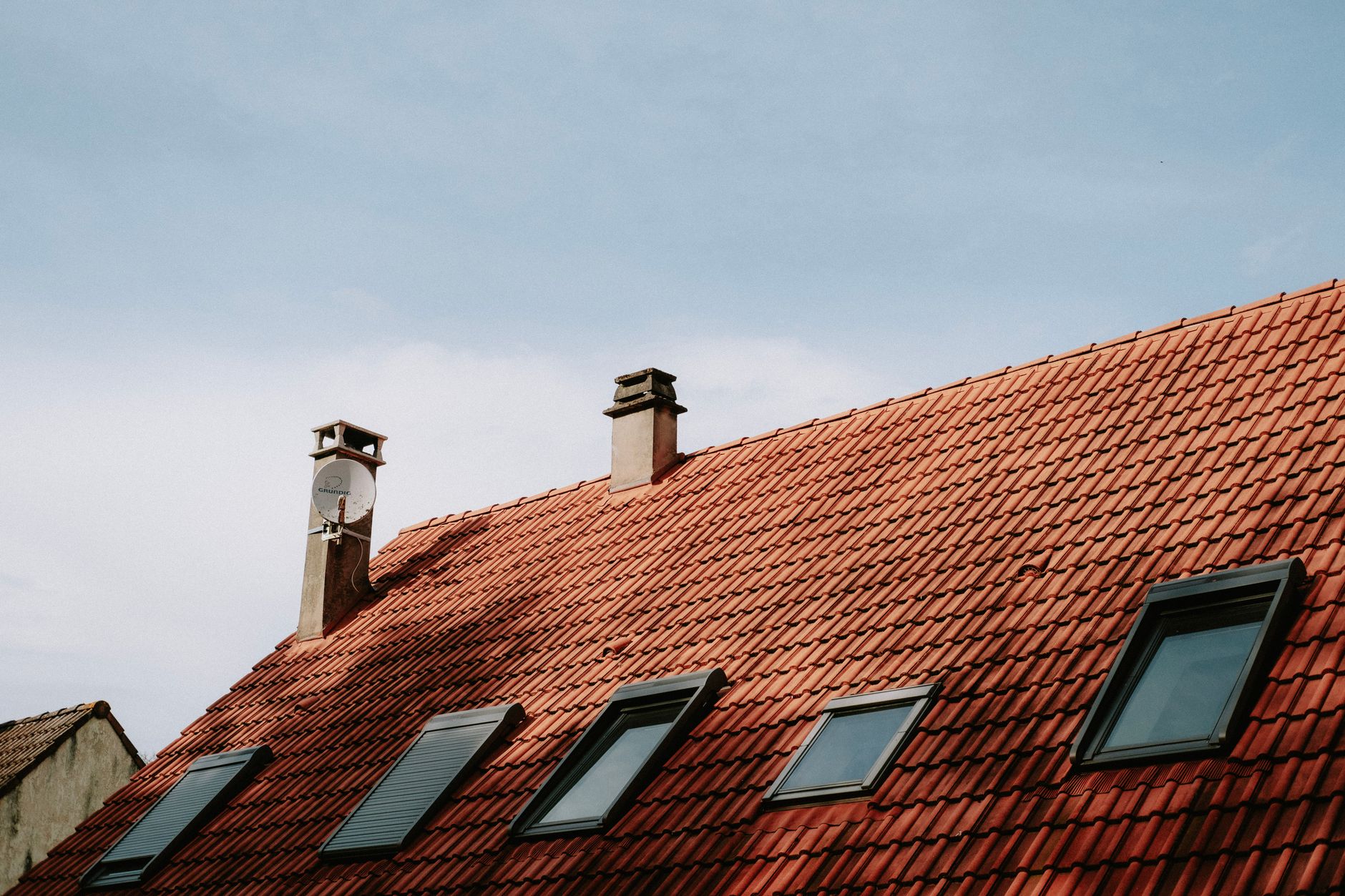
Masonry Fixes Sorted by What a Hawthorne Buyer Sees
Planning to Sell?
Share the address and your listing timeline. We call back about chimney masonry repair and whether a scan should come first.
What the Seller Gets
Brick is what a buyer sees from the curb and what their inspector taps. We repoint worn joints with mortar suited to the age of the brick, swap out spalled or cracked units, and reset loose courses above the roof. Older brick often needs a softer mix than modern work. Each repair is photographed and priced separately, so you can decide what gets fixed before the listing goes live.
Brick Problems a Buyer Can Spot From the Driveway
Buyers form an opinion of a chimney long before anyone climbs a ladder. From the sidewalk they can pick out white salt streaks on the brick, a crack climbing through several courses, joints that look hollow, or a top that seems to tip away from the roof. Those are the marks a home inspector photographs first, and they land near the top of the report where everyone reads them. In Hawthorne and the beach cities, salty ocean air and winter rain wear on mortar year after year, and plenty of chimneys here also rode out the 1987 Whittier Narrows shaking and the 1994 quake, some with small cracks nobody ever followed up. Before a listing, we walk the outside of the stack from the ground and from the roof and tell you which marks are only cosmetic, which point at water soaking into the brick, and which mean the masonry has started to shift. That sorting is what lets you put money only where a buyer is going to care.
Most brick work on a house headed for market falls into a handful of jobs. Repointing replaces mortar that has gone soft or dropped out; we grind the joints back and refill them with a mix suited to the age of the brick, because mortar that is harder than the brick around it makes the brick crack first. A spalled brick, whose face has flaked off, gets cut out and swapped for the closest match we can source. Cracks are opened, filled and tied across where the wall needs it. Where the stack above the shingles has loosened all the way through, a patch is no longer honest and a partial rebuild goes on the quote instead. Each quote names the area of brick involved, the kind of repair, and our plan if the masonry behind the surface proves weaker than it looked. You get a figure for every line, so you can repair some items and disclose the others.
Repair Now or Disclose: Making the Call
Not every brick problem needs fixing before the sign goes up. A few open joints low on the stack, a stained face or an old patch in the wrong shade are things a buyer may note and then accept, especially when the report says plainly that none of them is a safety issue. Loose brick at the top, a crack that runs through the wall, or a crown breaking apart are another matter. They get written up as hazards, and a buyer's side will usually want them handled before closing. We sort your chimney into those two piles and put the reasons in writing. From there the decision belongs to you and your agent. Some sellers fix everything so the report reads clean. Others fix only the hazards and attach our quote for the rest, which shows a buyer what the leftover work costs instead of leaving them to guess high and knock it off the offer.
There is no list price for masonry. Two stacks of the same height can need very different amounts of work, so every figure comes from a written quote built on what we measured. The things that move it are the height of the chimney above the roofline, how many square feet of joints need new mortar, how many bricks come out, whether roof protection or scaffolding is needed, and whether the crown at the top joins the job. A finished Level 2 report often answers most of those questions before we arrive, which keeps the quote tight. For a house listing soon, we can price the hazard items and the cosmetic items on separate pages, so you see the cost of a clean report next to the cost of a disclosed one. Ask for that split when you get in touch; it is often the page sellers lean on most in the listing folder.
How Hennessy Handles It
Photographed First
Every finding recorded where it sits before work
Sorted for the Sale
Each item marked fix, credit or disclose
Priced in Writing
Every repair carries its own written price
Paper for Escrow
Photos and invoices sent to whoever you name
Chimney Masonry Repair by city
Pick a city to see how housing age, roofs and coastal air shape this service there.
CA
Chimney Masonry Repair in Hawthorne
Only 27% of homes here are detached houses, so a seller with one is selling something scarce. The brick or block stack on a post-war house, often refitted with gas logs, gets a Level 2 look and a written report before the listing date.
Open the city pageCA
Chimney Masonry Repair in Manhattan Beach
A house enlarged or rebuilt around an older chimney leaves a buyer wondering where old work meets new. With 66% of homes detached and 65% owner-occupied, we trace the flue, firebox and remodel seams in a report the seller can hand to escrow.
Open the city pageCA
Chimney Masonry Repair in Hermosa Beach
Before 1950 came 21% of the homes in town. Their site-built brick stacks shed mortar with age and can crack when the ground shakes, so a seller starts with a Level 2 inspection, then picks: repair the stack now, or disclose it.
Open the city pageCA
Chimney Masonry Repair in Compton
Here 30% of homes predate 1950 and 77% predate 1980. On a bungalow headed to market, we put the brick, the flue and any old patching into one report, so the seller knows what to fix this week and what can wait.
Open the city pageCA
Chimney Masonry Repair in Carson
Most Carson households own their homes, 74%, and the tract houses they sell carry brick or block chimneys from the 1950s and 1960s. Before photos, we test the gas log setup, look over the masonry, and write up what a buyer's inspector will see.
Open the city pageSellers Also Book
Chimney Sweep
Soot and creosote cleared ahead of listing photos and the buyer's walkthrough, with a dated note on what came out of the flue.
Open detailsChimney Inspection
Level 1 or Level 2, picked by where you are in the sale, with photos and a plain list a buyer's agent can follow.
Open detailsChimney Repair
Fixes ranked by what a buyer's inspector will write up first, each one priced in writing before any work begins.
Open detailsFireplace Inspection
A room-side check of firebrick, damper, hearth and mantel clearance, the parts a buyer notices during a showing.
Open detailsFireplace Repair
Cracked firebrick, open joints, a sticking damper or loose hearth tile set right so the fireplace holds up to a buyer's check.
Open detailsChimney Level 2 Inspection
The video scan a buyer's side usually asks for, done before you list so the findings arrive on your timeline, not theirs.
Open detailsChimney Cap Installation
A missing or rusted cap is one of the plainer lines to clear off a buyer's report. Installed caps here are quoted after we measure. Cap size, metal and flue count shape the price.
Open detailsChimney Flashing Repair
Rusted or lifted metal where the chimney meets the roof replaced ahead of the buyer's roof inspection.
Open detailsChimney Rebuilds
When repair will not hold, the damaged part of the stack is rebuilt under permit and the paperwork goes into your escrow file.
Open detailsFireplace Cleaning
Soot, smoke marks and old ash cleared from the firebox and face so the fireplace looks cared for at the first showing.
Open detailsGas Fireplace Cleaning
Dusty burners, sooty logs and cloudy glass cleaned on a gas unit, then a flame check and a carbon monoxide reading.
Open detailsGas Fireplace Repair
A pilot that drops out or a wall switch that does nothing, traced with a meter so only the failed part gets replaced.
Open detailsFireplace Remodel
A dated or damaged fireplace face rebuilt for the listing, with the firebox and clearances checked before finishes are chosen.
Open detailsFireplace Inserts
A sealed insert with its own liner, for sellers whose open fireplace sits on a flue a buyer's inspector would flag.
Open detailsPellet Stove Repair
A pellet stove that quits or will not start, traced to the failed part and repaired before a buyer tries it.
Open detailsWood Stove Repair
Worn door gaskets, a sagging baffle or cracked firebrick replaced so the wood stove seals and burns cleanly for the next owner.
Open detailsGas Logs
Wood fireplace converted to gas logs before listing, once the flue checks out, so buyers see a working fire at showings.
Open detailsChimney Seismic Retrofit
Bracing or a lighter top section for a brick stack that would worry a buyer in earthquake country, scoped and priced in writing.
Open detailsChimney Crown Repair
A cracked crown sealed or recast before a roof inspector photographs it, with the cap refitted afterward.
Open detailsDryer Vent Cleaning
Lint cleared from the dryer duct to the outside hood, a small item buyers' inspectors often note in the laundry.
Open detailsChimney Liner Installation
A stainless liner run through a cracked flue so the chimney clears a buyer's Level 2 without a tile rebuild.
Open detailsChimney Leak Repair
Water stains beside the fireplace traced to their source and fixed before a buyer asks. Leak repairs run $560 to $3,350.
Open detailsChimney Waterproofing
A breathable water repellent on repaired brick, so the stack keeps drying out between winter storms.
Open detailsChimney Damper Repair
A damper that sticks, rattles or will not seal repaired or replaced, a common fireplace note on a buyer's report.
Open detailsChimney Chase Cover
A rusted or pooling metal top on a framed chimney replaced with a pitched stainless cover made to measure.
Open details