
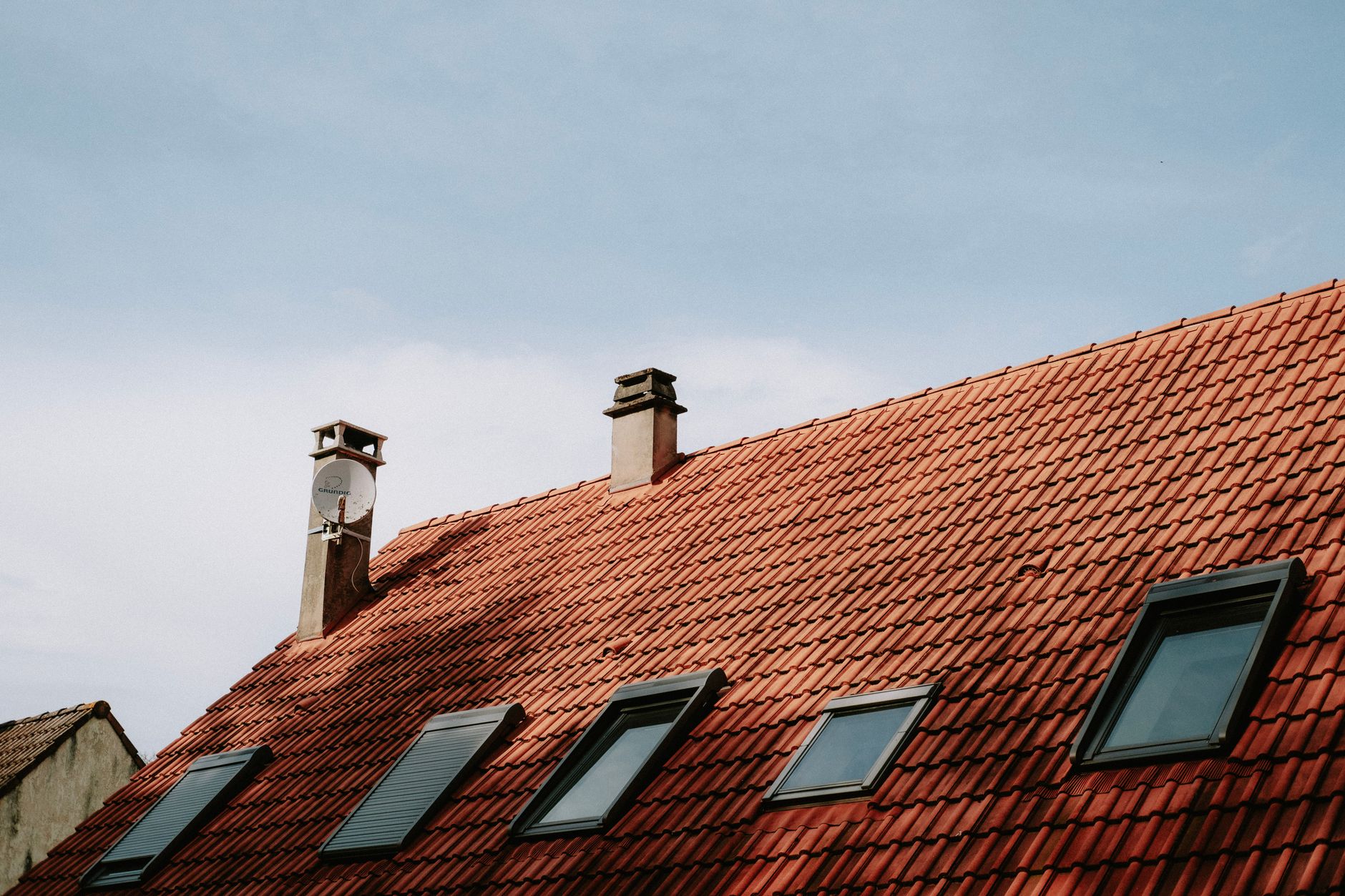
Chimney Inspection in Hawthorne for Owners and Sellers
Planning to Sell?
Share the address and your listing timeline. We call back about chimney inspection and whether a scan should come first.
What the Seller Gets
Which level you need depends on the stage of your sale. Our $54 Level 1 suits a chimney in ordinary use that nobody is about to buy. Once a listing is planned, NFPA 211 treats the sale itself as a reason for a Level 2, which costs $390 here and adds a video scan. Either way you get photos, a list sorted by urgency and a copy you can pass to your agent.
Which Inspection Level a Seller Actually Needs
NFPA 211 splits chimney inspections into three levels, and choosing the right one saves both money and argument. A Level 1, at $54, is a close look at the parts in plain view from the firebox, the roof and the attic. It suits a chimney in regular use with no change, no damage and no plans to sell. A Level 2, at $390, adds a camera through the full flue and looks at the parts of the chimney inside the house that a Level 1 leaves alone. Level 3 is the rare case where something hidden has to be exposed by cutting into a wall or taking down masonry, and it follows only when a Level 2 points to a reason. For a Hawthorne house heading to market, the Level 2 is the one to book, because it answers the question a buyer's inspector will raise about the inside of the flue. For a home you are keeping, a yearly Level 1 is usually plenty.
Some owners book a Level 1 before listing to save the difference, and it can work for a chimney relined or rebuilt recently with paperwork to prove it. For an older masonry flue lined with clay tile, though, a Level 1 leaves the largest question open, because cracks and gaps in the tile sit far above where a light from the firebox can reach. A buyer who reads that the flue interior was not visible will usually ask for more, and arranging a second visit in the middle of escrow costs more stress than booking the right one first. When you contact us, say roughly how old the house is, what the fireplace burns, and whether a sale is on the way. We tell you which level fits before anything is booked, and if a Level 1 turns up something that needs the camera, we explain the reason before going further.
How the Inspection Report Reads
Our reports are written for people who do not work on chimneys: you, your agent and later a buyer. Every finding gets a short description, its spot on the chimney, and a rating in ordinary words. There are three: safe to use, usable with a repair to plan, and not to be used until fixed. The last rating is uncommon, and when we give it we spell out what makes it unsafe instead of leaving an alarming phrase sitting on the page. Where something could not be seen, such as a stretch of flue behind a bend or a crawl space with no hatch, the report says so rather than skipping it. That matters later, because a buyer's inspector who notices a gap in a seller's report will assume the worst about whatever was missed. On a Level 2, the camera footage stands behind what the report says about the inside of the flue, and you can pass it to whoever needs to see it.
If repair work turns up, the quote arrives as its own page, so the report itself stays a neutral record. Keeping them apart is useful in a sale: you can share the findings with a buyer without sharing the price you were given, or share both if you would rather show the cost openly. Typical findings on South Bay chimneys include a crown cracked by sun and rain, mortar washed out on the side facing the ocean breeze, a cap rusted thin or blown off in a Santa Ana wind, and flashing that has pulled away from the brick. Most of those are modest jobs. Less often we find a flue tile that cracked or slipped in a past quake, which usually leads to a liner. Whatever turns up, you get the facts first and the money second, and the choice of what to fix before listing stays with you and nobody else.
How Hennessy Handles It
Photographed First
Every finding recorded where it sits before work
Sorted for the Sale
Each item marked fix, credit or disclose
Priced in Writing
Every repair carries its own written price
Paper for Escrow
Photos and invoices sent to whoever you name
Chimney Inspection by city
Pick a city to see how housing age, roofs and coastal air shape this service there.
CA
Chimney Inspection in Hawthorne
Only 27% of homes here are detached houses, so a seller with one is selling something scarce. The brick or block stack on a post-war house, often refitted with gas logs, gets a Level 2 look and a written report before the listing date.
Open the city pageCA
Chimney Inspection in Manhattan Beach
A house enlarged or rebuilt around an older chimney leaves a buyer wondering where old work meets new. With 66% of homes detached and 65% owner-occupied, we trace the flue, firebox and remodel seams in a report the seller can hand to escrow.
Open the city pageCA
Chimney Inspection in Hermosa Beach
Before 1950 came 21% of the homes in town. Their site-built brick stacks shed mortar with age and can crack when the ground shakes, so a seller starts with a Level 2 inspection, then picks: repair the stack now, or disclose it.
Open the city pageCA
Chimney Inspection in Compton
Here 30% of homes predate 1950 and 77% predate 1980. On a bungalow headed to market, we put the brick, the flue and any old patching into one report, so the seller knows what to fix this week and what can wait.
Open the city pageCA
Chimney Inspection in Carson
Most Carson households own their homes, 74%, and the tract houses they sell carry brick or block chimneys from the 1950s and 1960s. Before photos, we test the gas log setup, look over the masonry, and write up what a buyer's inspector will see.
Open the city pageSellers Also Book
Chimney Sweep
Soot and creosote cleared ahead of listing photos and the buyer's walkthrough, with a dated note on what came out of the flue.
Open detailsChimney Repair
Fixes ranked by what a buyer's inspector will write up first, each one priced in writing before any work begins.
Open detailsFireplace Inspection
A room-side check of firebrick, damper, hearth and mantel clearance, the parts a buyer notices during a showing.
Open detailsFireplace Repair
Cracked firebrick, open joints, a sticking damper or loose hearth tile set right so the fireplace holds up to a buyer's check.
Open detailsChimney Level 2 Inspection
The video scan a buyer's side usually asks for, done before you list so the findings arrive on your timeline, not theirs.
Open detailsChimney Cap Installation
A missing or rusted cap is one of the plainer lines to clear off a buyer's report. Installed caps here are quoted after we measure. Cap size, metal and flue count shape the price.
Open detailsChimney Flashing Repair
Rusted or lifted metal where the chimney meets the roof replaced ahead of the buyer's roof inspection.
Open detailsChimney Masonry Repair
Loose brick, open joints and spalled faces repaired with mortar suited to the house, so the stack reads sound from the curb.
Open detailsChimney Rebuilds
When repair will not hold, the damaged part of the stack is rebuilt under permit and the paperwork goes into your escrow file.
Open detailsFireplace Cleaning
Soot, smoke marks and old ash cleared from the firebox and face so the fireplace looks cared for at the first showing.
Open detailsGas Fireplace Cleaning
Dusty burners, sooty logs and cloudy glass cleaned on a gas unit, then a flame check and a carbon monoxide reading.
Open detailsGas Fireplace Repair
A pilot that drops out or a wall switch that does nothing, traced with a meter so only the failed part gets replaced.
Open detailsFireplace Remodel
A dated or damaged fireplace face rebuilt for the listing, with the firebox and clearances checked before finishes are chosen.
Open detailsFireplace Inserts
A sealed insert with its own liner, for sellers whose open fireplace sits on a flue a buyer's inspector would flag.
Open detailsPellet Stove Repair
A pellet stove that quits or will not start, traced to the failed part and repaired before a buyer tries it.
Open detailsWood Stove Repair
Worn door gaskets, a sagging baffle or cracked firebrick replaced so the wood stove seals and burns cleanly for the next owner.
Open detailsGas Logs
Wood fireplace converted to gas logs before listing, once the flue checks out, so buyers see a working fire at showings.
Open detailsChimney Seismic Retrofit
Bracing or a lighter top section for a brick stack that would worry a buyer in earthquake country, scoped and priced in writing.
Open detailsChimney Crown Repair
A cracked crown sealed or recast before a roof inspector photographs it, with the cap refitted afterward.
Open detailsDryer Vent Cleaning
Lint cleared from the dryer duct to the outside hood, a small item buyers' inspectors often note in the laundry.
Open detailsChimney Liner Installation
A stainless liner run through a cracked flue so the chimney clears a buyer's Level 2 without a tile rebuild.
Open detailsChimney Leak Repair
Water stains beside the fireplace traced to their source and fixed before a buyer asks. Leak repairs run $560 to $3,350.
Open detailsChimney Waterproofing
A breathable water repellent on repaired brick, so the stack keeps drying out between winter storms.
Open detailsChimney Damper Repair
A damper that sticks, rattles or will not seal repaired or replaced, a common fireplace note on a buyer's report.
Open detailsChimney Chase Cover
A rusted or pooling metal top on a framed chimney replaced with a pitched stainless cover made to measure.
Open details