Most sellers first hear about their chimney from somebody else's paperwork. The buyer's inspector writes a line beside the fireplace saying a specialist should look at it, the buyer's agent forwards that line, and a repair request arrives in the middle of escrow with a short window to answer. We would rather you heard it from us first. Hennessy Chimney Care works with sellers in Hawthorne and the rest of the South Bay before the listing goes live, so the chimney is a known line in the file instead of a late surprise.
Why sellers start with the camera
NFPA 211 is the standard most chimney work in California is held to, and it describes inspections at three depths. The shallow one stays with what is open to the eye. Level 2 is the one that matters in a sale: a camera goes up the inside of the flue, from the smoke chamber to the top, and we add the roof and the attic wherever they can be reached safely. The standard expects that deeper look when a home is changing owners, which is why a careful buyer's side will ask for it sooner or later.
For you, the useful part is simple. A crack in a clay flue tile looks like plain black soot from the hearth. On camera it shows up as a hard line, and a buyer who first meets that line in their own report will price it at the worst case they can imagine. When you see it first, you decide what it costs.
The price, and what is in it
A Level 2 inspection at Hennessy Chimney Care is $390. That covers the visit, the camera work, the photos and the written report. Our Level 1 is $54, and it suits a fireplace you burn in every winter with nothing changed, but it cannot answer what a buyer will ask, so we rarely suggest it ahead of a listing.
One thing can add to the day. If years of soot coat the tile, the camera sees only black. Then a sweep, from $420, goes ahead of the camera so the footage is worth having. We tell you on site before we do it, and you can say no.
How the report reads
We write each report for three readers: you, your listing agent, and a buyer you have not met. Every finding gets a photo, the place it was found and one of three tags.
- Fix before listing. Anything that makes the fireplace unsafe to light: a split flue tile, a gap where hot masonry sits against wood, a damper rusted through.
- Fix or disclose. Wear a buyer will spot but that does not stop the fireplace from working: tired mortar on the stack, a crown with hairline cracks, a rusty cap.
- For the file. Small notes you mention once and move past.
Those tags let your agent sort the list in one sitting: what goes on the disclosure form, what goes on a work order, and what is not worth a conversation. For the middle group, our post on whether to repair or disclose goes through the trade-offs.
This week, and what can wait
Sellers tend to have a list date in mind and more jobs than days. Here is the order we suggest for the chimney.
- This week: book the Level 2. Leave the fireplace unlit the night before so the firebox is cool when we arrive.
- Once the report is in: sit down with your agent and the tags. Anything marked fix before listing gets a written quote from us.
- Can wait: cosmetic work on the face of the fireplace, unless the living room photo depends on it. Our post on a fireplace remodel before a sale covers that choice.
- Can also wait: the call on fix-or-disclose items. You can make it after the quotes arrive.
What decides the next step
The footage decides it. A sound flue with ordinary soot needs nothing more than the report itself, which goes into your disclosure packet as it is. A cracked tile or a liner that has come apart needs a new liner, priced in writing from what the camera recorded. Loose or crumbling brick on the stack points to masonry repair. A stain in the attic beside the chimney points to the crown, the flashing or both.
If you are a few weeks from listing, send your address and the date you plan to list, and we will set the visit around your photographer and your first showings.
What turns up in Hawthorne houses
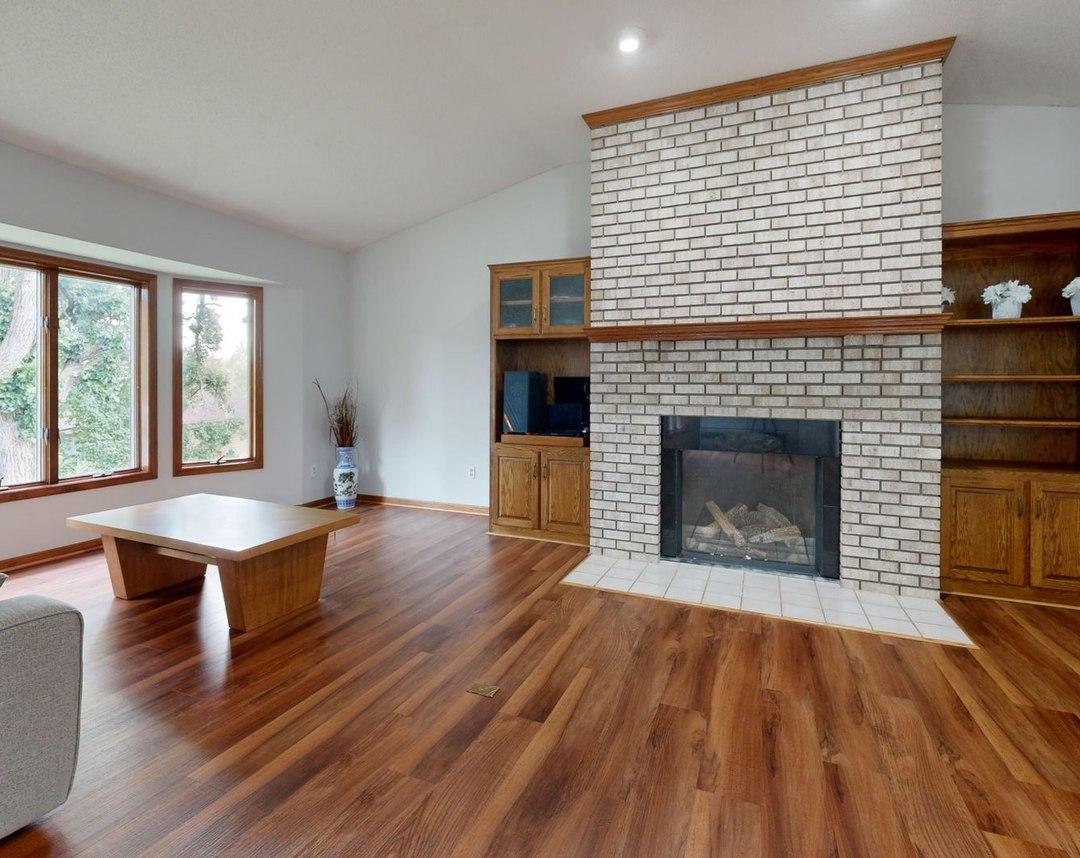
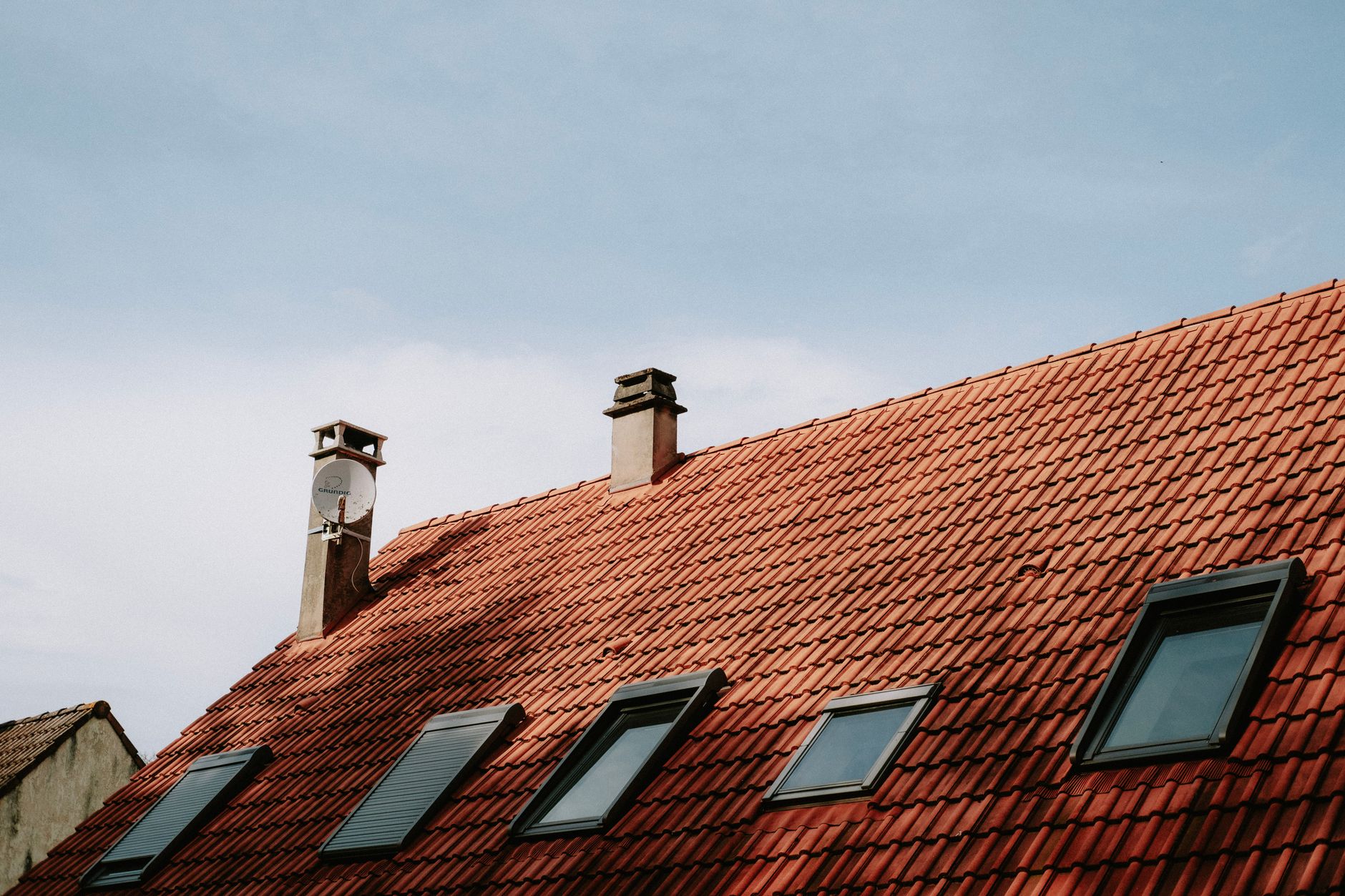
Hawthorne has a lot of single-story houses with one brick chimney on an outside wall, and a good number of newer homes and condos with factory-built metal fireplaces boxed into a wood chase. The two get different attention. On brick we are looking at mortar joints, the crown and the clay tile. On a metal unit we are looking at the pipe joints, the top of the chase and the cap. Toward the water, in Manhattan Beach and Hermosa Beach, salt air chews through steel caps and chase tops, so rust is a frequent note on those reports.
Brick chimneys in this part of the county have also lived through more than one strong quake. The damage from that often sits inside the flue, where nobody has looked in years, and a camera is the only way to see it.
Who receives the report
You booked the visit, so the report belongs to you. We email it to you and to anyone you name, most often the listing agent, and you decide whether it goes into the packet buyers see.
A few things sellers ask
Will a pre-listing report stop the buyer from hiring their own inspector? It does not have to. Buyers may still bring someone. What changes is that you already know what they will find, and plenty of buyers are content with a recent Level 2 that has photos attached.
What if the camera finds nothing wrong? Then you hold a clean, dated document. That is worth having when a home inspector writes a vague line about the fireplace and the buyer wants to know what it means.
Can the visit happen while the house is being staged? Yes. We need room to work at the hearth and a spot to set a ladder against the house, and drop cloths go down before the camera goes in.
Before the sign goes up
When you have a list date, put the chimney on the calendar ahead of the photographer. The contact page takes the address and a line about the house, and we will come back to you with a visit time.
Want the Chimney Settled Before Buyers Tour?
Hennessy Chimney Care works from Hawthorne for sellers across the county. Book the scan through the contact page, read the sorted list, and choose which repairs to price into the sale.